Artificial Stone
400 Years of Illusion — The Hidden History of Grottoes, Artificial Rockwork, Faux Bois and Zoos Without Bars
You have almost certainly stood in front of artificial stone and believed it. This is the story of the people who learned to make it work.
Coming soon · English edition first, then PolishTell Me When It's Out Look Inside
About 244 pages · 43 historical illustrations · paperback and e-book
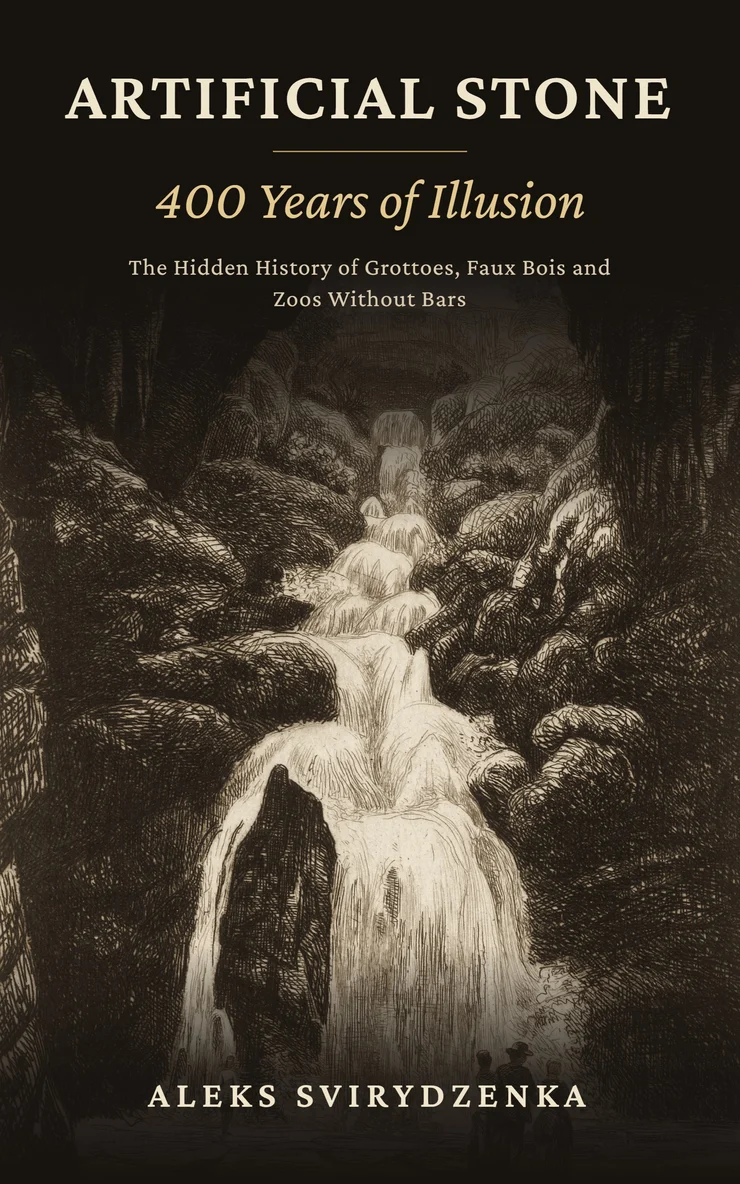
The best fake is the one nobody notices
A canyon wall in a theme-park queue. A waterfall in a hotel lobby. A lion on a ledge with nothing, it seems, between you and it. Artificial stone is all around us — one of the most successful illusions people have ever made, and one of the least noticed.
This book follows it for more than four centuries: from a French potter who dreamed of a garden grotto crawling with glazed lizards, through the shell caves of Versailles and the fired-clay statues of Eleanor Coade, to the Victorian family whose rocks fooled geologists, the animal dealer who took the bars out of the zoo, and the Mexican sculptor who grew a forest out of cement.
Every fact is sourced in the notes. Where the records disagree, the book says so. And some of the trade's favorite stories turn out to be wrong.
Each of them solved the problem I still solve every week: how to bring a piece of nature to a place where nature cannot be, and make it last.Aleks Svirydzenka, Preface
A history nobody had written
The whole story in one book
There are fine monographs on the Pulhams, on Coade stone, on Hagenbeck, on Rodríguez. This is the first book to follow the whole line, from the grottoes of the Renaissance to the theme-park mountains of today.
Written by a builder
The author has made artificial rock since 2008. He looks at every grotto the way a craftsman does: what is hidden inside, where the water goes, why one surface survived a century and another crumbled.
Myths checked against sources
Was the cement gun really invented to make animal models? Was Coade stone a cement? Was Detroit the first zoo without bars? The answers are in the archives — and they are surprising.
Four centuries in pictures
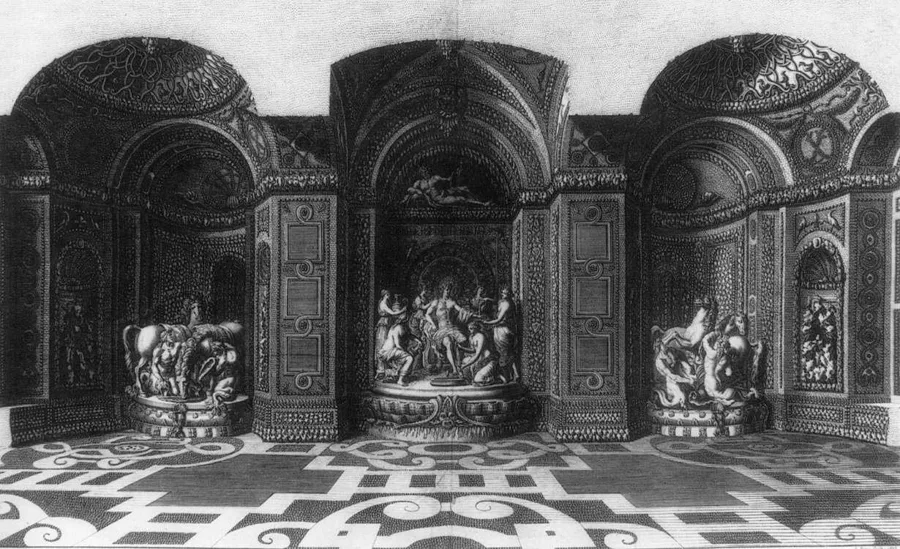
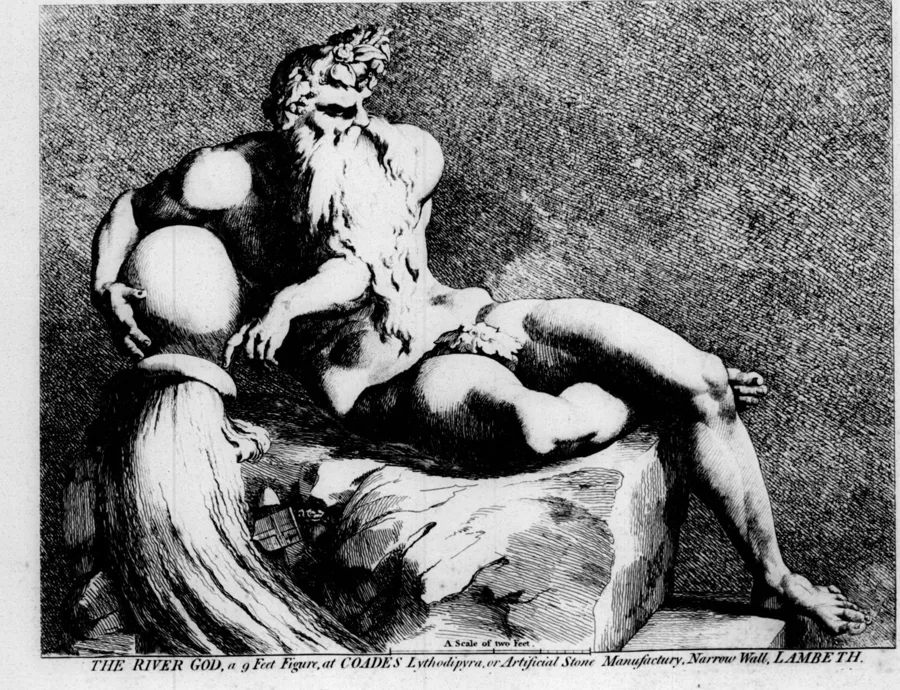
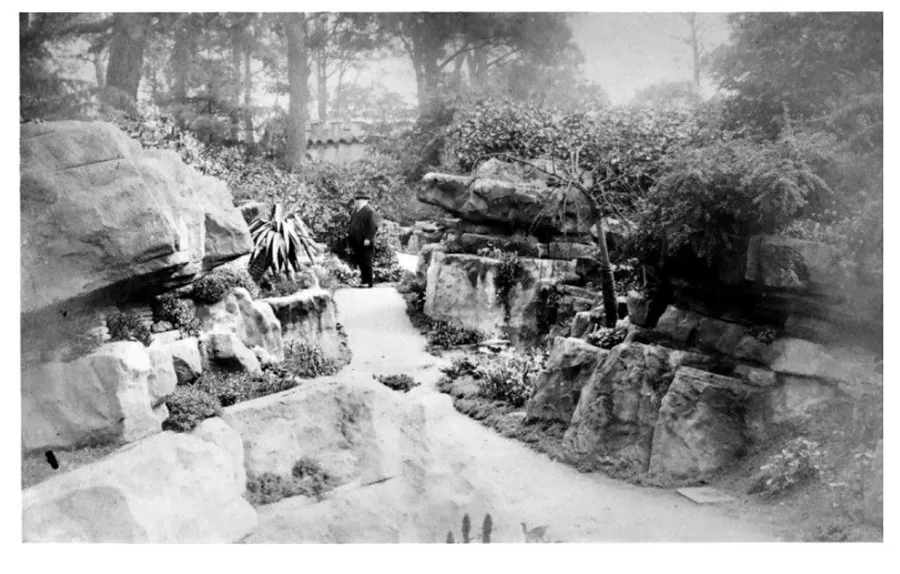
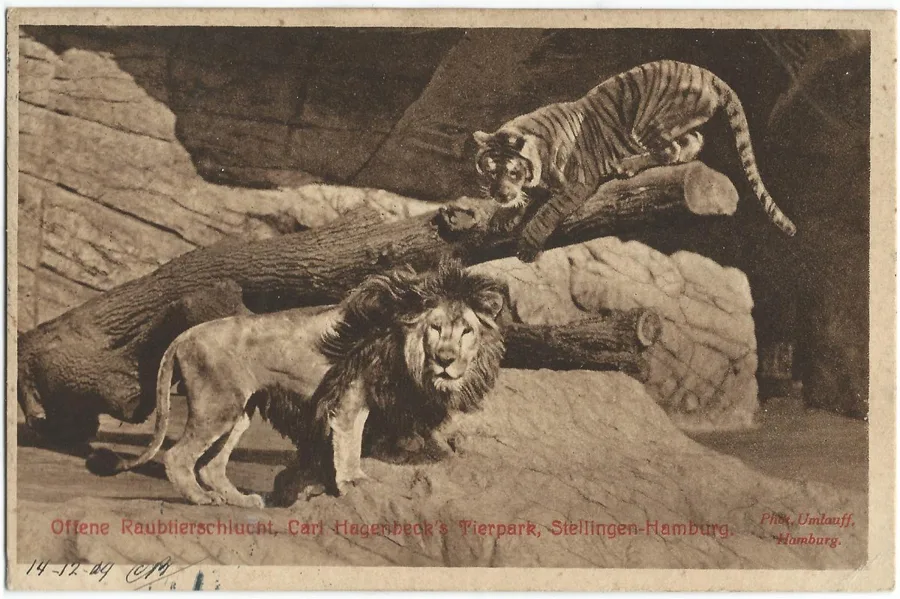
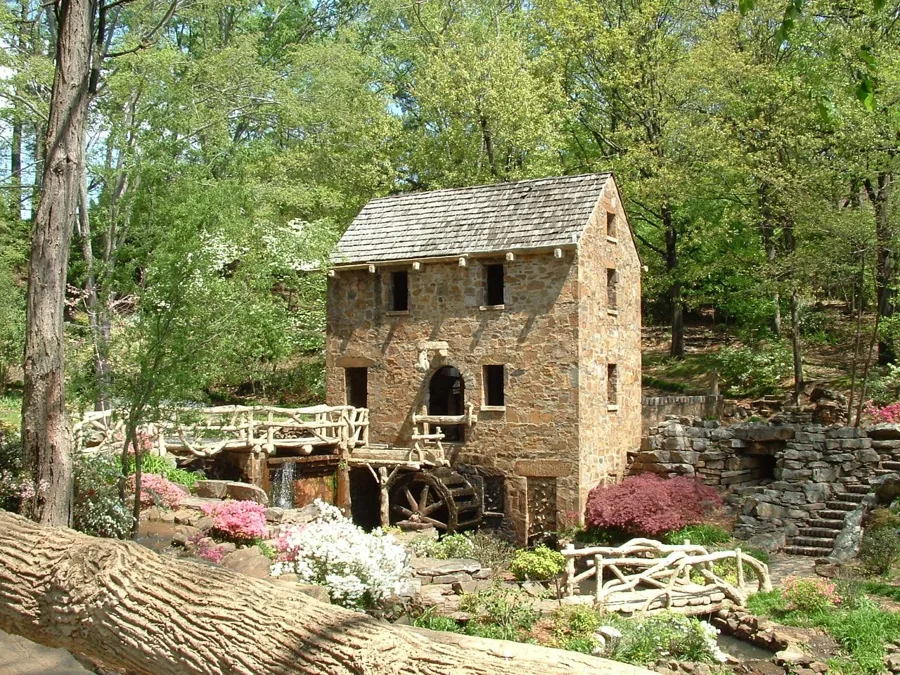
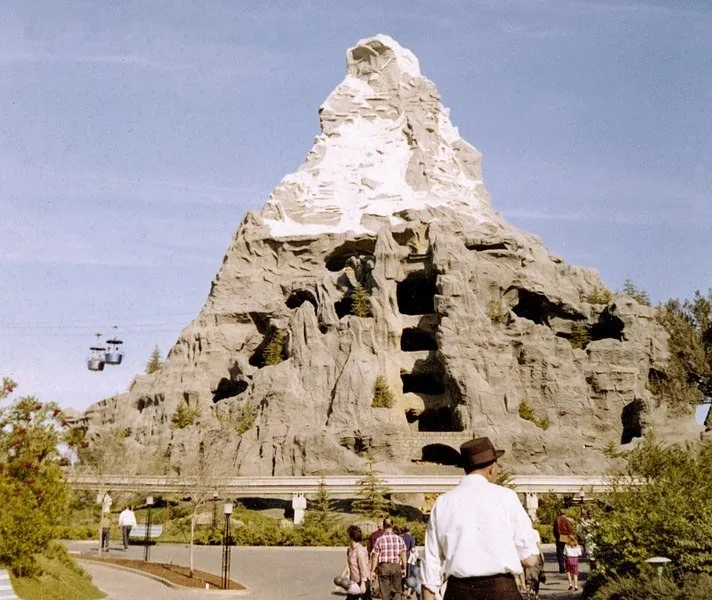
The book is illustrated with 43 engravings, catalogue plates, postcards and photographs, each credited with its source.
Seventeen chapters in seven parts
Plus a timeline, a glossary of the trade's words — from rocaille to gunite — and a guide to more than forty places where you can still see this work with your own eyes.
ICaves for Princes (1540–1700)
- Bernard Palissy and the dream of a glazed garden grotto
- Italian nymphaea: Castello, Boboli, Pratolino
- Versailles and Marly: the king, the shells and 4,457 holes
IIStone Made by Hand (1700–1860)
- Pope's grotto and the hermits for hire
- The secret of Mrs Coade: “stone” that was really fired clay
- Roman cement and the dawn of the concrete age
IIIVictorian Rocks (1806–1940)
- The Pulhams: rocks that fooled geologists
- The war on the almond pudding
- Paris in cement: Combaz and the rocailleurs
IVAnimals Without Bars (1896–1940)
- Hagenbeck's panorama and the jumping lions
- How the idea conquered the world
- Akeley, the cement gun and a stubborn myth
VThe Concrete Forest (1920–1960)
- Dionicio Rodríguez and his trees of cement
VIThe Illusion Industry (1955–today)
- Mountains for sale: the theme-park era
- New zoos: from bars to immersion
- Heritage at risk
VIIFrom the Workshop
- Lessons from four hundred years — and how to read a rock yourself
For anyone who has wondered whether the waterfall was real
History lovers
Forgotten inventors, trade secrets, rivalries and a few good mysteries.
Garden and travel enthusiasts
The grottoes, cascades and rock gardens you can still visit — and what to look for when you do.
Theme-park and Disney fans
Where the Matterhorn and the Tree of Life came from, long before Walt Disney.
Architects and landscape designers
The history behind the rockwork, water features and immersive spaces clients ask for today.
Builders, sculptors and set designers
Why some artificial rock lasts for a century and some fails in a season.
Zoo and museum people
How the barless enclosure and the habitat diorama were born.
The next time you walk past a grotto, a zoo cliff or a mountain in a theme park, stop for a moment, look at the beds, the water and the cracks, and see four hundred years of craft standing in front of you.Artificial Stone, Chapter 17
Coming soon
The English edition comes first, as a paperback and an e-book on Amazon; the Polish edition follows. Leave your e-mail and you will hear the day it appears.

The Truth About Artificial Rockwork
Not a book about fake rock, but about the distance between how things look and what they really are. Second, revised and expanded edition.
Discover the book →
Small Living World
How to turn what science knows about an animal's life into real decisions: brief, budget, barrier, ground, water and the rock the animal lives on every day.
Discover the book →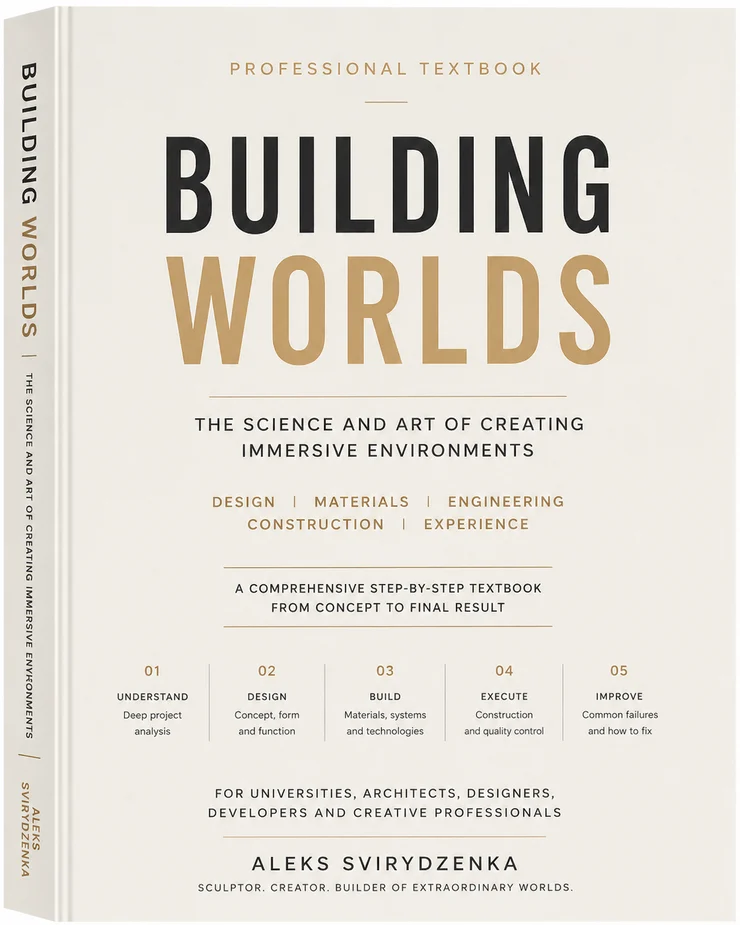
Building Worlds
A step-by-step professional textbook for universities, architects, designers and creators of immersive environments — from concept to final result.
Discover the book →